
A useful collection of farm business photos shows more than attractive views. It helps customers understand who runs the operation, what happens there, and how the property supports your work. Before a photo session, list the images you need for your website, social media, brochures, and press materials. A clear shot plan helps you cover people, daily work, animals, equipment, and place without ending up with many similar pictures and gaps in important subjects.
Photograph the People
Include portraits of owners, managers, and team members who represent the business. Capture a few options: a direct portrait, a relaxed image in the work environment, and a wider frame with room around the subject for website banners or printed text. Choose clean, familiar settings such as a barn entrance, field edge, or work area, and keep clothing appropriate to the person’s role.
Show people doing real tasks as well as posing. A worker checking irrigation, preparing feed, or greeting a customer can help explain the operation and give viewers a sense of its scale. Ask anyone recognizable for permission before publication, especially if images may appear in advertising or promotional materials.
Show Work in Progress
Plan images around the activities that define the business, such as planting, harvesting, packing, animal care, or direct sales. Photograph each activity from more than one distance: a wide view that shows the setting, a mid-range view of the process, and a close detail of hands, tools, or produce. This variety gives you flexible images for different layouts and stories.
Choose representative moments rather than staging unsafe or misleading scenes. Clear walkways, secure animals, and follow the property’s safety procedures while working. If an activity depends on weather or season, note that in your shot plan and arrange photography when the work is actually happening.
Include Animals and Equipment
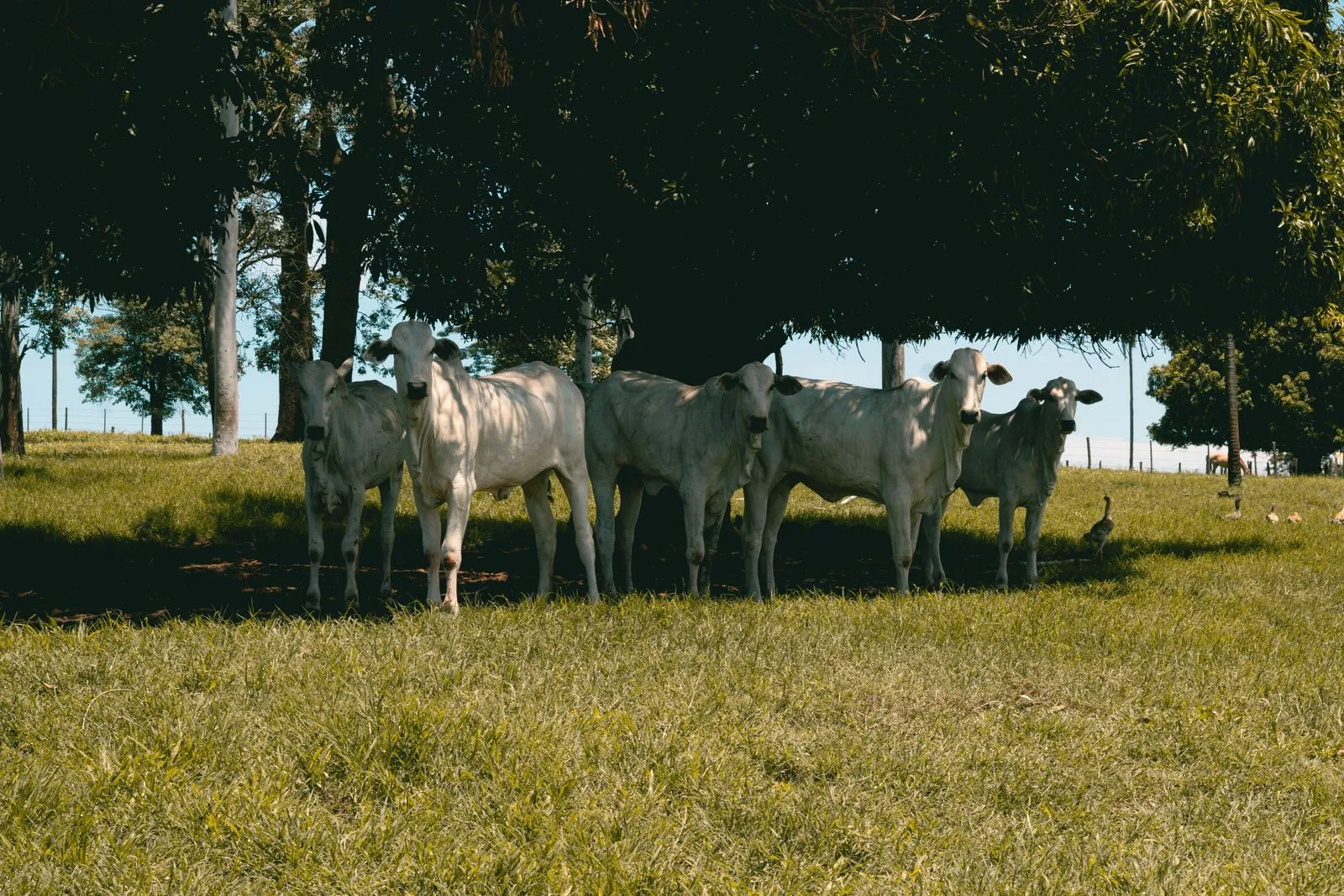
Photograph livestock in a way that communicates their condition and setting. Include individual animals where identification matters, along with wider group images that show pasture, pens, or the barn environment. Check backgrounds for clutter, gates, feed containers, and other distractions. Keep a safe distance and have a knowledgeable handler present to guide the session.
Capture the equipment customers or partners need to understand, from tractors and trailers to milking, irrigation, or packing systems. Show machines in context and photograph important features from clear angles. Remove loose clutter when practical, but do not hide normal working conditions if the image is meant to document how the operation runs.
Document the Property
Build a visual map of the property with images of the entrance, signs, buildings, fields, pasture, roads, and customer-facing areas. A broad view helps people recognize the setting; closer images can explain how visitors arrive or where products are handled. Include seasonal differences when they affect what customers see or when the business operates.
Add details that convey the character and practical features of the farm: fencing, rows, storage areas, water access, or a distinctive building exterior. Keep a record of where and when images were made so you can select accurate pictures later. Review the finished library by category, then list missing views before arranging a follow-up session.
A balanced farm photo library makes it easier to explain your people, work, animals, equipment, and property across different channels. Start with the images your customers need to understand the operation, then schedule photography around real tasks and seasonal conditions. Tampa Fieldlight can help plan a practical shot list for your farm or ranch.